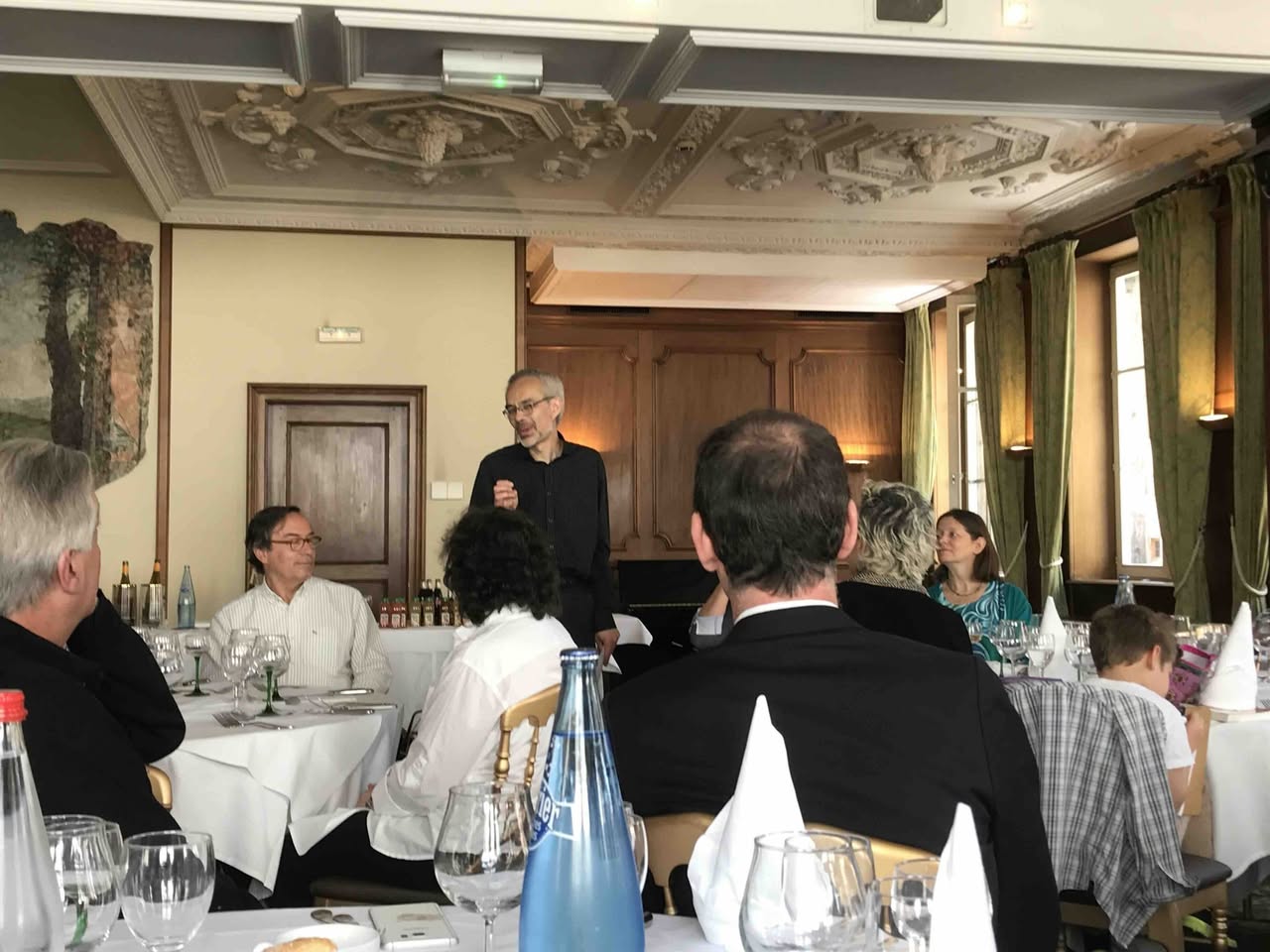
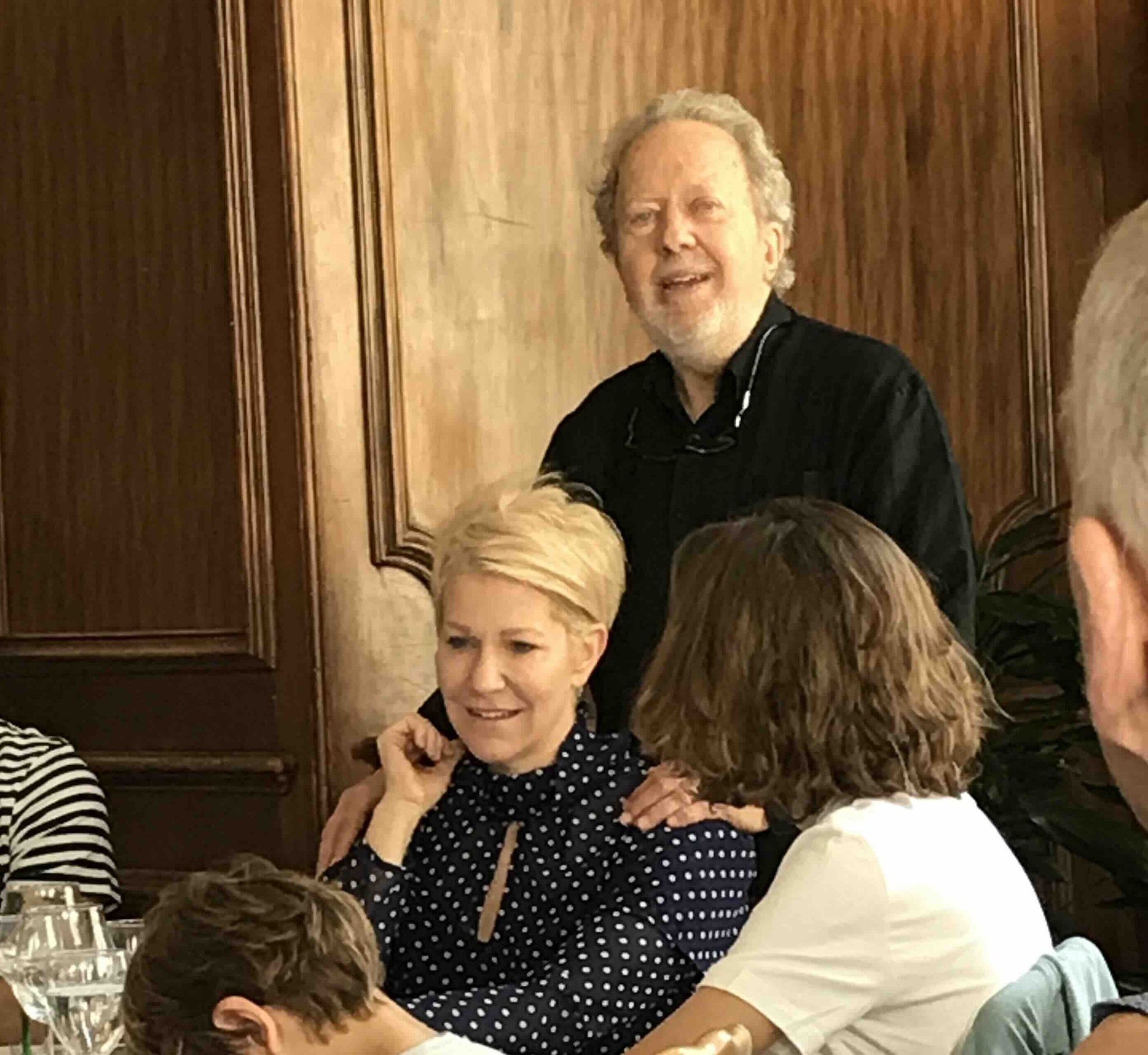
Am 31.März starb, 83 jährig, der Dirigent John Nelson, der vor allem für seine Aufführungen geistlicher Werke und als Berlioz-Spezialist einen Namen machte. Er war auch mit Crescendo verbunden. Wir konnten ihn vor Jahren für ein Buchprojekt “Mich umgibt ein grosser Klang”) interviewen. Hier einige markante Aussagen aus diesem Gespräch.
Über musikalische Begeisterung und gelangweilte Musiker
[John Nelson erzählt von seiner Jugend als Missionarskind in Costa Rica und den musikalischen Anfängen im Familientrio]
Als Familien-Trio traten wir eines Sonntags in einer kleinen Kirche irgendwo in der Provinz, mitten im Niemandsland auf. Die Kirche war äusserst bescheiden: Der Boden war aus Lehm, das Dach liess das Licht durch und vorne stand ein schlichtes Pult. Als die Gemeinde zu singen begann, war da ganz in meiner Nähe ein etwa gleichaltriger Junge, acht oder neun Jahre alt. Dieser Junge sang so kräftig, voller Eifer und Freude mit, dass ihm die Halsschlagadern hervortraten. Seine Begeisterung beeindruckte mich. Sie schockierte mich sogar. Das Bild von diesem Jungen – ich behielt es mein ganzes Leben lang in meinem Gedächtnis. Heute dirigiere ich Berufsorchester in der ganzen Welt. Und ich sehe, wie die Musiker vor mir sitzen: lässig, gelangweilt, ohne geringste Anzeichen von Begeisterung. Sie scheinen dem, was sie tun, nicht viel Sinn beizumessen – und das schmerzt mich immer sehr. Es schmerzt mich vor allem für sie.
“Ich lege den Musikern
immer den Text aufs Pult”
Über das Studium der geistlichen Werke
In der Juilliard School eignete ich mir die Technik des Dirigierens an – und ich bin dafür dankbar. Aber das, was Musik ausmacht, lernte ich nicht wirklich kennen. Zwei Jahre nach Juilliard kam ich in Kontakt mit einem Mann, der künftig mein wichtigster Mentor werden sollte. Er war ein deutscher Jude und damals bereits fünfundsiebzig Jahre alt. Ich studierte bei ihm die Johannespassion ein, die Matthäuspassion, die h-Moll Messe, das Requiem von Brahms… alles christliche Werke! Bei ihm begann ich zu entdecken, worum es in der Musik eigentlich geht, denn ich verbrachte schon in der ersten Woche vierzig Stunden damit zu, den Text der Johannespassion zu studieren. Nur den Text! Dann kamen einige Stunden, in denen wir uns der Musik zuwandten. Dies war eine revolutionäre Wende in meinem Leben.
Über mangelndes Textverständnis
In meinem ersten Konzert in Paris führten wir das Magnificat von Bach auf. Die Sprache war lateinisch. Es war in einer Probe für diese Aufführung. Vor dem Orchester standen die Solisten und der Bass begann etwas zu singen. Ich unterbrach und bat den Sänger, dem Orchester zu erklären, was er gerade sang. Ich wollte ihn nicht blamieren, denn ich ging davon aus, dass er es selbstverständlich wusste. Aber er wusste es nicht. Mittlerweile habe ich diese Erfahrung zum x-ten mal gemacht: Die Leute wissen nicht, was sie singen!
Ich lege deshalb den Text eines Werks, ob sakral oder profan, auf das Pult eines jeden Orchestermusikers. Und natürlich versuche ich, den Text zu erklären. Bei einem geistlichen Werk stelle ich so weit theologische Bezüge her. Ich merke, wie sehr dies geschätzt wird.
Über den Dienst des Dirigenten
Musik hilft mir, ein Diener zu sein. Ein Dirigent hat Macht. Orchestermusiker können ein Lied davon singen! Als christlicher Dirigent habe ich jedoch lernen müssen, dass ich meine Macht, statt sie zu missbrauchen, einsetzen soll, um dem Orchester zu dienen.
Ich bin ohnehin ein Diener, weil ich kein Komponist, sondern nur der Interpret eines bereits geschaffenen Werks, ein Nach-Schöpfer und somit der Diener eines Schöpfers. Ich kann als kleiner Diktator auftreten oder als einer, der die Musiker zu Höchstleistungen verführt. Das letztere gelingt mir nur, wenn ich mich nicht aufführe, als wäre ich allmächtig. Mein grosses Vorbild ist Jesus, der sagt: „Ich stehe vor der Tür und klopfe an…“. Er bricht nicht ins Haus ein, sondern er wirbt sehr vornehm und um uns.
“Berlioz ist der originellste Komponist,
den ich kenne.”
Über Berlioz
Berlioz ist der originellste Komponist, den ich kenne. Seine dramatischen Fähigkeiten sind grossartig. Es gibt auch einen biografischen Grund: Ich habe meine internationale Laufbahn mit einer Berlioz-Oper in New York begonnen und bald darauf in Genf die fünfstündige Oper „die Troyanerinnen“ dirigiert. In Frankreich folgte dann die Aufführung von „Béatrice und Bénédict“ und so bleib ich ihm treu.
Über geistliche Musik in der Nôtre-Dame
Ich dirigierte viele Jahre in Paris das „Ensemble orchestrale“. Nach meiner Ankunft in Paris meldete ich mich beim damaligen Kardinal Jean-Marie Lustiger und erzählte ihm von meinem Traum, in der Nôtre Dame ein grosses Werk von Bach aufzuführen: Man würde die Aufführung sogar in ganz Europa ausstrahlen können.
Der Kardinal reagierte ganz wundervoll. Er klärte mich darüber auf, dass er der drohenden Umfunktionierung der Nôtre Dame in ein Konzerthaus den Riegel geschoben und alle Aufführungen verboten hatte – ausser jenen natürlich, die vom Chor und Orchester der Kathedrale gegeben wurden. Er sagte aber: „John, ich bin auf deiner Seite. Deine Konzerte haben ein geistliches Anliegen. Ich werde dich unterstützen. Nur musst du wissen, dass France 1, 2 und 3 fest in staatlicher Hand sind. Sie werden kaum auf deinen Vorschlag eintreten.“ So konnte dank der Rückendeckung des Kardinals das erste Konzert in der Nôtre Dame stattfinden – die h-Moll Messe. Das „Ensemble orchestral“ spielte ganz wunderbar. Und das Konzert wurde sogar in ganz Europa ausgestrahlt.
Zitate aus dem Buch “Mich umgibt ein grosser Klang” von Franz Mohr / Beat Rink
ENGLISH
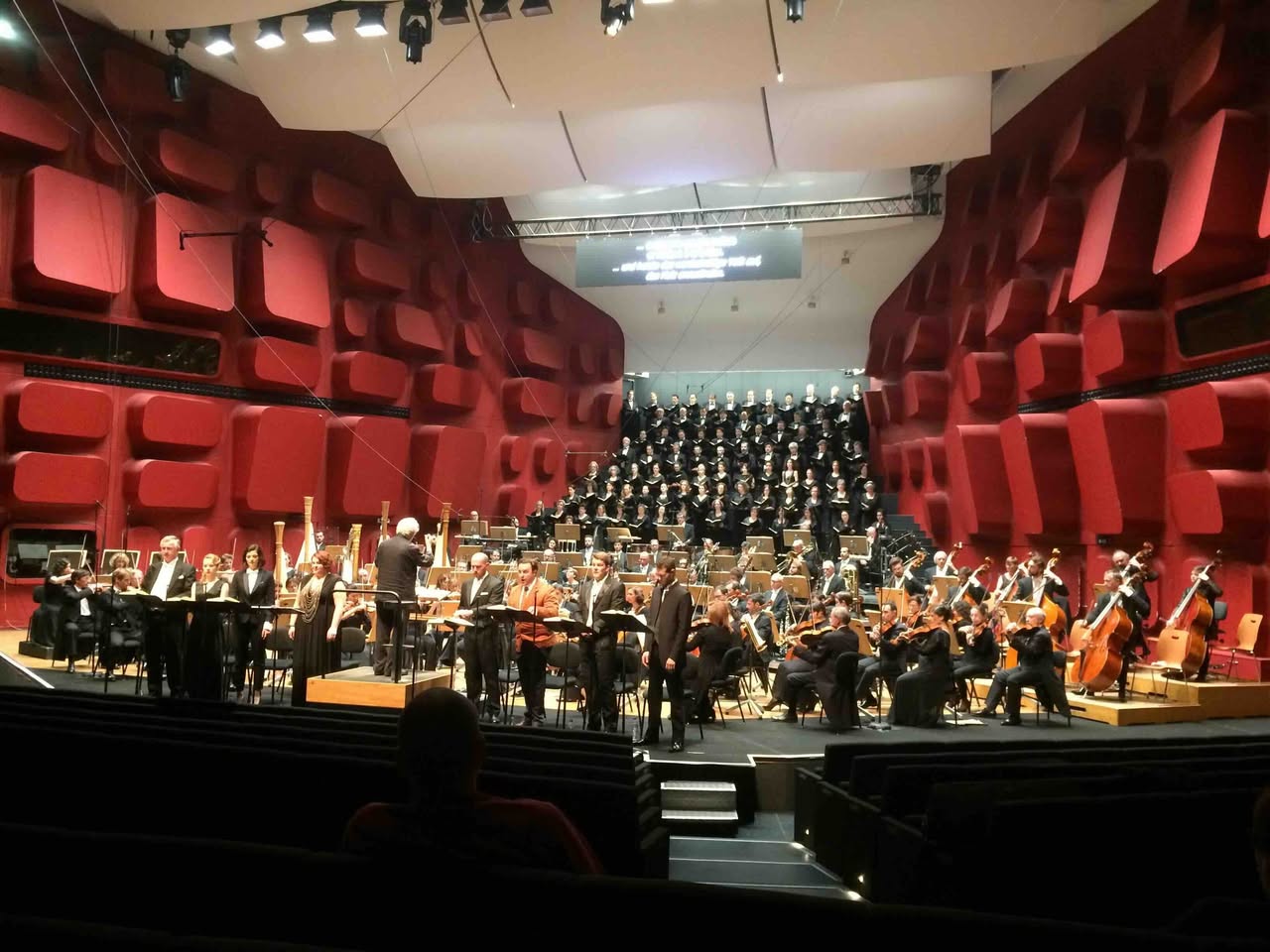
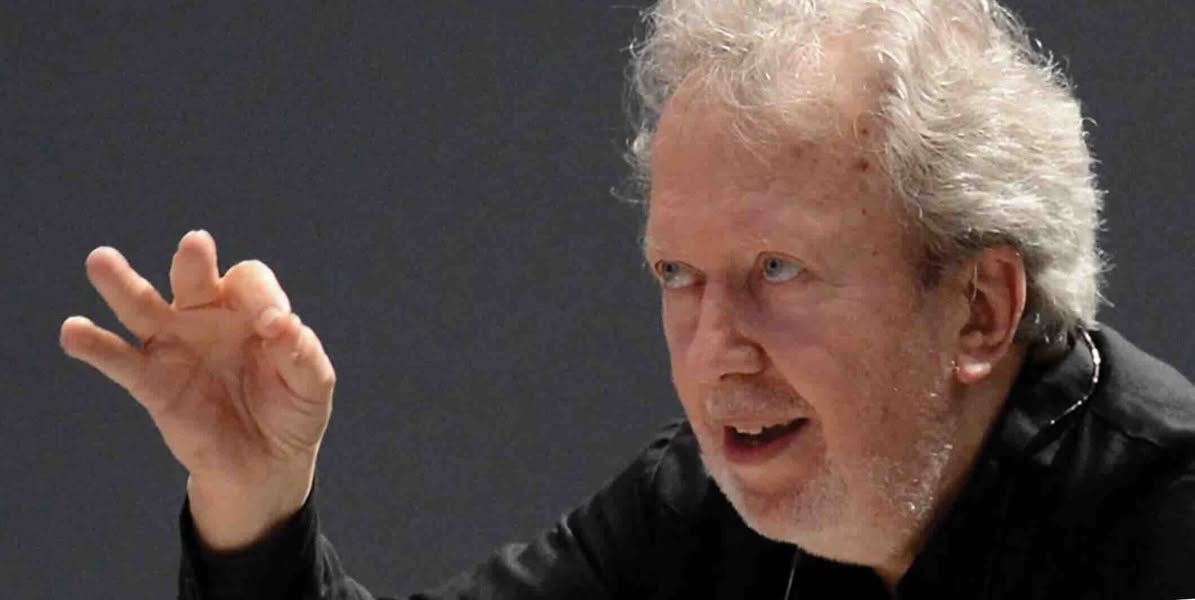
On 31st March, aged 83, the conductor John Nelson died. He made his name principally with performances of sacred works and as a Berlioz specialist. He was also close to Crescendo; some years ago we had the opportunity of interviewing him for a book project. Here are some striking passages from that conversation.
On musical enthusiasm and bored musicians
[John Nelson talks about his youth as the child of missionaries in Costa Rica and his musical beginnings in the family trio.]
One Sunday, we were playing in small church out in the country, in the middle of no-man‘s-land. The church was exceptionally modest: the floor was clay, light shone through the roof, and at the front there was a simple lectern. As the congregation began to sing, I noticed very close to me a young boy of roughly my age, about 8 or 9. This boy was singing so strongly, with such keenness and joy that the veins were standing out in his neck. His enthusiasm impressed me. In fact, it even shocked me. The image of this boy – it remained in my memory throughout my life. Today I conduct professional orchestras all over the world. And I see how the musicians sit in front of me: casual, bored, without the least sign of enthusiasm. It seems as if they do not attach a lot of meaning to what they are doing – and this is always very painful to me. And I feel this pain most for them in this condition.
On the study of sacred works
At the Juilliard School I acquired the technique of conducting – and I am grateful for that. But I did not really learn the defining elements that make music what it is. Two years after Juilliard, I first came into contact with a man who would in the future become my most important mentor. He was
a German Jew and at that point 75 years old. With him, I studied the St. John Passion, the St. Matthew Passion, the B minor Mass, the Brahms Requiem… all of them Christian works! It was with him that I began to discover what music is really about, for even in the first week I spent 40
hours purely on studying the text of the St. John Passion. Only the text! There then followed some hours in which we turned our attention to the music. This was a revolutionary change in my life.
“These people do not know
what they are singing”
On inadequate understanding of the text
In my first concert in Paris, we performed Bach‘s Magnificat. The language was Latin. Then this happened in one of the rehearsals: The soloists were standing in front of the orchestra, and the bass began to sing something. I interrupted and asked the singer to explain to the orchestra what
he was singing about. I was not intending to embarrass him, for I simply assumed that he would of course know this. But he did not. In the meantime, I have repeated this experience countless times: these people do not know what they are singing about! And so now, whether the work be sacred or profane, I place a copy of the text on every music
stand in the orchestra. And, naturally, I attempt to explain the text. In a sacred work, I outline some of the related theology. I notice how much this is appreciated.
On serving as a conductor
Music helps me to be a servant. A conductor has power. Any orchestral musician has endless stories about this. As a Christian conductor, I have nevertheless had to learn how to use this power not to abuse, but to serve the orchestra. I am a servant anyway, because I am not a composer, but simply the interpreter of a work that has already been created, a re-creator and thus the servant of a creator. I could behave either as a little dictator, or else as someone who entices the musicians into giving their best. I am only
successful in this latter role if I do not act omnipotent. My great role model is Jesus, who says, “I stand at the door and knock…”. He does not break into the house, but very gently seeks our attention.
“Music helps me to be a servant.”
Berlioz is the most original composer I know. His dramatic abilities are outstanding. There is also a biographical connection here. I began my international career with a Berlioz Opera in New York and shortly afterwards, in Geneva, conducted the five-hour opera “The Trojans”. Then, in France, came the performance of “Béatrice et Bénédict”, and so I have remained faithful to him.
“Berlioz is the most original composer I know.”
On sacred music in Nôtre-Dame
For many years, I conducted the “Ensemble orchestrale” in Paris. On my arriving in the town, I went to speak to the Cardinal at that time, Jean-Marie Lustiger, and told him of my dream of performing a major Bach work in Nôtre-Dame: it would even be possible to transmit the performance throughout Europe. The Cardinal’s reaction was wonderful. He explained to me that he had taken steps to block the threatening takeover of Nôtre-Dame by concert events and had forbidden all performances – except those, of course, given by the cathedral’s choir and orchestra. But he did add, “John, I am on your side. The intent in your concerts is a spiritual one. I will support you. But it is necessary for you to realise that France 1, 2 and 3 are firmly controlled by the state. They will hardly take up your proposal.” Thus, thanks to firm backing by the Cardinal, it was possible to give the first concert in
Nôtre-Dame – the B minor Mass. The “Ensemble orchestral” played quite wonderfully. And the concert was indeed transmitted all over Europe.
Passages from the book “Mich umgibt ein grosser Klang” by Franz Mohr / Beat Rink
Translation into English: Bill Buchanan