In den TUNE IN-Texten Nr. 430 und 432 war bereits von «Schönheit» die Rede. Zuerst von den «schönen Proportionen», dann vom Verständnis des Schönen in der hebräischen Bibel. Hier eine Fortsetzung.
Kalogathia
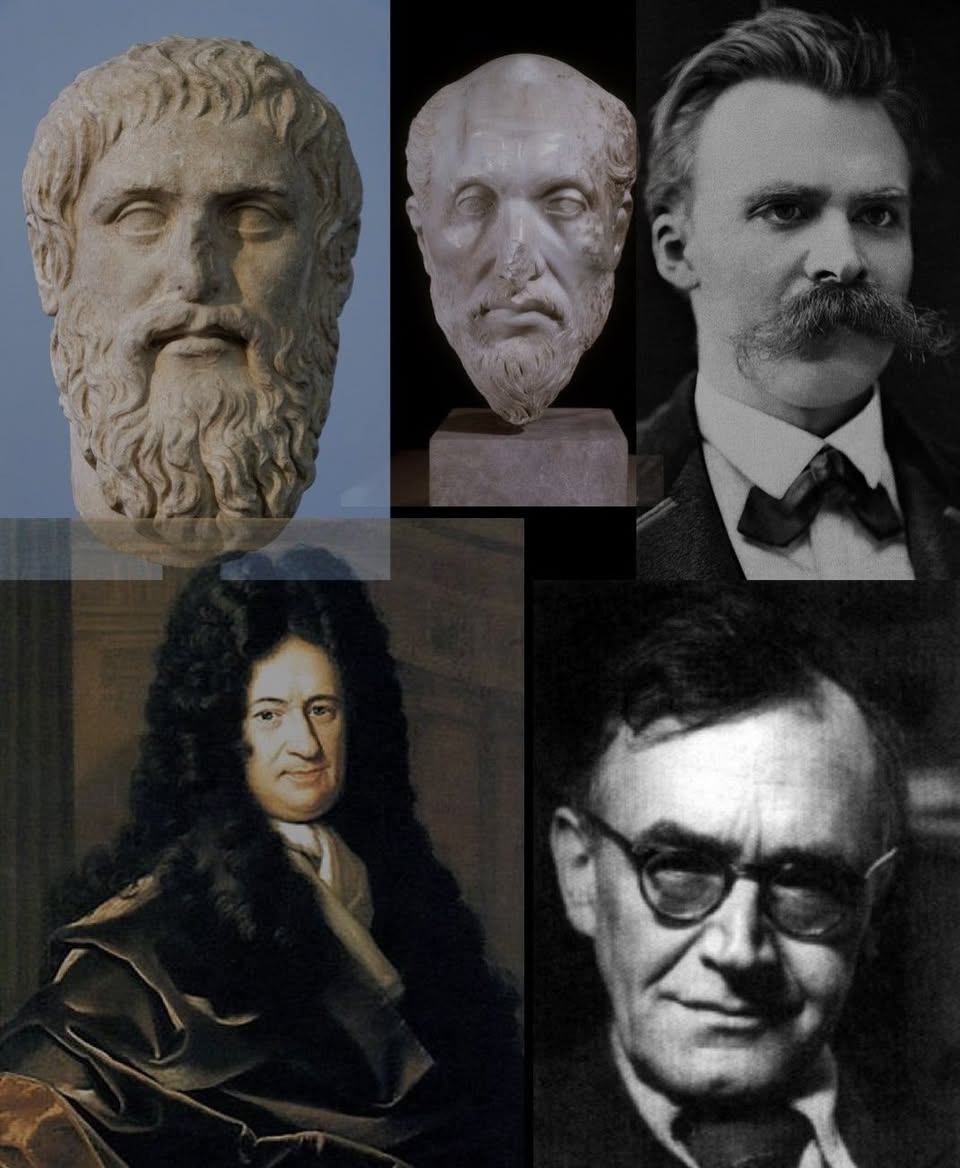
Von der Antike bis zur Renaissance stand die Frage im Vordergrund, welches die objektiven Kriterien für Schönheit sind. Entsteht Schönes durch Proportionalität, Harmonie und Symmetrie? Oder noch durch etwas Anderes? Tatsächlich sagte Platon (427 bis 347 v. Chr.), das Schöne müsse (auch) in Verbindung mit dem Guten und Wahren stehen. Die Wortzusammensetzung kalogathia (kalos = schön, agathos = gut, wahr) brachte es auf den Punkt.
Was ist wahr und gut?
Damit war allerdings das Problem gegeben: Wie definiert man das Gute und das Wahre – zunächst einmal ganz grundsätzlich und dann im Blick auf das Schöne bzw. die Kunst?
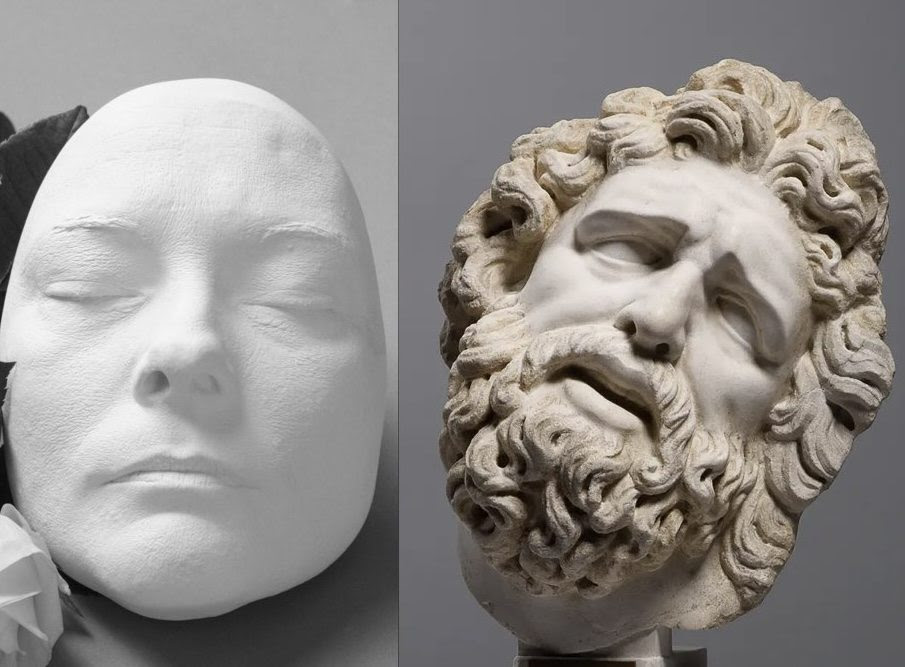
Um eine der vielen Antworten herauszugreifen: Der spätantike Philosoph Plotin (205-270) fand, dass Statuen schön sind, wenn sie etwas Lebendiges darstellen. Das Marmorbild eines toten Menschen, selbst wenn dieses die richtigen Proportionen aufweist, ist weniger schön als das Abbild eines hässlichen, dafür lebenden Menschen. Weshalb? Weil Menschen eine lebendige Seele haben, die vom «Licht des Guten» beschienen ist. Dies führte zur Idee der «schönen Seele», die noch für Goethe und Schiller wichtig war.
Gott = wahr, gut und schön
Natürlich bezog die Theologie im Mittelalter das Schöne auf Gott, der zugleich wahr, gut und schön ist. Das Wahre (verum) entspricht dem Denken Gottes, das Gute (bonum) dem Wollen Gottes (bonum) und das Schöne (pulchrum) der Selbstoffenbarung Gottes in der Welt. Und auch noch beim Philosophen Gottfried Wilhelm Leibnitz (1646-1716) ist es Gott, dessen Schöpfung (Leibnitz spricht von einer «prästabilierten Harmonie» zwischen allen Dingen) die Erfahrung des Schönen und damit einer metaphysischen Wahrheit ermöglicht. Der ästhetisch beglückte Mensch richtet deshalb seine Liebe (und zwar seine «interesselose», zweckfreie Liebe) auf Gott.
Schönheit vs Wahrheit
Nach Leibnitz schlägt die philosophische Ästhetik ein neues Kapitel auf – hin zur Subjektivierung des «Schönen» und zur Trennung von «Schönheit» und «Wahrheit».
Zum zweiten Aspekt: Das Schöne, so die zunehmende Überzeugung, zerbricht an der hässlichen Wirklichkeit. Genau genommen kann «wahre Kunst» nicht mehr schön sein. Friedrich Nietzsche (1844-1900) schrieb, ein Philosoph dürfe niemals sagen, das Gute und Schöne seien eins. «Fügt er gar noch hinzu ‘auch das Wahre’, so soll man ihn prügeln. Die Wahrheit ist hässlich.»
Anfrage an die Theologie
Ein idealistisches Kalogathia-Konzept ist nicht mehr zu retten. Aber kann die Theologie noch etwas mit der alten Gleichung «wahr=gut=schön» anfangen? Ja, mit aller gebotenen Vorsicht sollte sie es sogar! Dazu 6 Punkte:
1.
Die Theologie kann nicht mehr hinter die Erkenntnis zurück, dass das Wahre oft hässlich ist, und dass Kunst diese Wahrheit immer wieder darzustellen hat. – Victor Hugo lobt sogar die «christliche Kunst» gegenüber der antiken, weil sie auch für das Hässliche und Groteske offen ist.
2.
Die Theologie weiss: Gerade das Kreuz ist nicht schön und der «Gottesknecht» in Jesaja 52/53 (eine Prophetie auf Jesus) wird sogar explizit «hässlich» genannt. Das heisst: Auch die explizit christliche und sakrale Kunst kennt die hässliche Wahrheit sehr wohl.
3.
Aber das Kreuz ist für den Glauben zugleich «schön». Bei Johannes ist es Zeichen der «Herrlichkeit». Das Kreuz darf zwar keinesfalls verharmlost werden, aber an ihm offenbart sich die «Menschenfreundlichkeit Gottes» (Karl Barth). Und für uns Christen fällt auf das Kreuz das Licht der Auferstehung.
4.
Deshalb ist für Christen das Böse nicht die letzte Wirklichkeit. Darum gibt es Hoffnung, die auch in der Kunst ihren Platz hat und haben muss.
5.
Nur Gott ist wahr, gut und schön zugleich. Dies zu wissen und sich an ihn zu halten, stärkt unseren Widerstand gegen Ideologien, Machtansprüche und «andere Götter» – man könnte auch sagen: gegen alles, was sich als «richtige» Wahrheit ausgibt, was vollkommene Güte vorgaukelt und was uns sagt, was «schön» ist und was nicht.
(Was heisst das nun für die Kunst und Kunstschaffende? Das wäre eine spannende Frage…)
6.
Leibnitz sagte: Die Liebe zu Gott ist die Antwort des Menschen auf die Schönheit Gottes; Für den Theologen Karl Barth (1886-1968) ist es das Lob Gottes. Der Mensch, der sich Gottes Schönheit (und wohl auch die Schönheit des Gottesreichs, das bereits jetzt angebrochen ist!) vor Augen hält, kann nicht anders als Gott loben.
Text: Beat Rink
With the texts of TUNE INs nos. 430 and 432 the subject of «beauty» has recently been discussed. First there was a discussion of «beautiful proportions», and then of the understanding of the beautiful in the Hebrew Bible. The following continues the topic.
Kalogathia
From antiquity up to the Renaissance, there was an emphasis on the question of which objective criteria for beauty can be identified. Is beauty the result of proportionality, harmony and symmetry? Or does it result from something else? In fact, Plato (427 bis 347 BC) says that the beautiful must (also) be related to the good and the true. The composite word kalogathia (kalos = beautiful, agathos = good, true) underlines this concept.
What is true and good?
But this, however, is where the problem begins: how can one define the good and the true – in the first place in a fundamental sense and then with regard to the beautiful or the artistic?
Let us pick out one of the many answers: In late antiquity, the philosopher Plotinus (205-270) considered that statues are beautiful if they represent something living. The marble image of a dead person, even if it demonstrates the right proportions, is less beautiful than a representation of an ugly but living person. Why? Because human beings have a living soul which is illuminated by the «light of the good». This led to the idea of the «schöne Seele» (beautiful soul), which was still important for Goethe and Schiller.
God = true, good and beautiful
Of course, mediaeval theology related the beautiful to God, who is simultaneously true, good and beautiful. The true (verum) corresponds to the thoughts of God, the good (bonum) to God’s will, and the beautiful (pulchrum) to God’s revelation of Himself in the world. Later, for the philosopher Gottfried Wilhelm Leibnitz (1646-1716), it is God, through His creation (Leibnitz speaks of a «pre-stabilised harmony» pervading all things), who enables experience of the beautiful and thus of a metaphysical truth. The person who has experienced aesthetic joy therefore directs his love (in this case his «impartial» love, free of self-interest) towards God.
Beauty vs truth
After Leibnitz, a new chapter in philosophical aesthetics begins – assigning to the «beautiful» a greater role as an autonomous subject and with a tendency towards a separation of «beauty» and «truth». Regarding this second aspect: The beautiful, it was increasingly believed, breaks down when confronted with the ugliness of reality. In strict terms, «true art» can no longer be beautiful. Friedrich Nietzsche (1844-1900) wrote that a philosopher should never say that the good and the beautiful are one. «If he should ever go as far as adding ‘also the true’, he should be given a good beating. The truth is ugly.»
A question for the theologian
There is no more hope for an idealistic kalogathia concept. But can theology still do anything with the old equation «true = good = beautiful»?
Yes, with all due caution, this should even be one of its tasks! 6 relevant points:
1.
Theology can no longer escape recognising that the true is often ugly, and that art must constantly represent this fact.
Indeed, Victor Hugo (1802-1885) even praises «Christian art» compared to that of antiquity, because it has this additional openness for the ugly and grotesque.
2.
Theology is very well aware that precisely the Cross is not beautiful and that the «Suffering Servant» in Isaiah 52/53 (a prophecy of Jesus) is even expressly described as «disfigured». This means that even explicitly Christian and sacred art is most certainly familiar with ugly truth.
3.
But, for faith, the Cross is at the same time «beautiful». For John, it is a sign of «glory». The Cross cannot be allowed to lose its harshness, but in it we have the revelation of «God’s kindness towards man» (Karl Barth). And for us Christians, the light of the Resurrection falls on the Cross.
4.
For Christians, therefore, evil and ugliness is not the final truth. That is why there is hope, which has – and must have – its place in art.
5.
Only God is at the same time true, good and beautiful. Knowing this and taking our orientation from it strengthens our resistance against ideologies, against the encroachments of power and «other gods» – one could also say: against everything that claims to be the «correct» truth, that appears to offer perfect goodness and that tells us what is «beautiful» and what is not. (What are the implications of this, then, for art and the creators of art? That would be a fascinating question…)
6.
Leibnitz said that love for God is the response of man to God’s beauty; for the theologian Karl Barth (1886-1968) the response is the praise of God. The person who fixes his gaze on God’s beauty (and certainly also on the beauty of the Kingdom of God, which has already come upon us!) has no option but to praise God.
Text: Beat Rink / Translation from German: Bill Buchanan